TRIGGER WARNING: This post uses explicit language to discuss rape, sexual assault, and sexual abuse of children and adults. If you have lived through these experiences, please read with caution and be gentle with yourself.
Some Caveats
- I have intentionally avoided using the names of rapists/abusers/perpetrators.
- I use the term survivor for those who have experienced sexual trauma. I know this term doesn’t resonate with everyone. Please substitute as you see fit.
- As you are reading this you may be questioning if what happened to you “really was rape.” To confront head-on the experience of sexual assault can be highly destabilizing. You are not alone. Help, support, understanding, and compassion are available.
One Year Since…
It has been over a year since the results of the last presidential election were announced. The following day, I processed with many of my clients, who were survivors of sexual trauma (from childhood, adulthood, and in the military), their efforts to understand how a known sexual predator was elected to our country’s highest position of power, again. Sadly, they “understood” it quickly, in much the same way they learned how to cope with their own traumas. They internalized that their stories don’t matter, that they won’t be believed, they will be blamed, and that no one cares.
Throughout the day, I wanted to cry. It all felt so wrong and so unfair. By the end of six sessions, though, I felt too tired, too heavy, too hopeless to do so. Instead, I went a little numb and geared myself up to do it all again the next day.
This wasn’t the first time my clients and I had such talks. Not so long ago, in the midst of the #metoo movement, Christine Blasey Ford, accused a Supreme Court nominee of sexual assault, along with two other women. He was still confirmed to the Supreme Court.
And it wouldn’t be the last. A few months after the 2024 election, I found myself holding space for my clients to express their rage and helplessness. This was in response to fighter jets flying over a press conference held by survivors of sex trafficking to demand transparency from congress. I acknowledge I do know how designed or intentional this was versus coincidental, though the symbolism and messaging seem pretty clear.
And Now
And now, despite hearing accounts from numerous survivors, we are waiting for a man’s list before any action will be taken towards accountability or justice. And we are hearing in White House press conferences and from news pundits that there is a difference between raping a 15-year-old and an 8-year-old so we should cut the rapists some slack.
ARE YOU FUCKING KIDDING ME?
This reaction is not surprise. It is rage. It is disgust. It is exhaustion.
That isn’t to say that there aren’t differences between perpetrators who target 8-year-olds versus 15-year-olds, and that the psychological impact of such abuse isn’t different depending on how old you are. Poising such a distinction at this time only functions to distract from and minimize the actual harm done to those 15-year-old girls.
And I’m not having it.
Other Recent Sources of Rage
A few weeks ago, I saw for the first time saw “that” episode (details to come) of Buffy the Vampire Slayer and came across this (trigger warning) Instagram post.
“That” episode is the one where Spike tries to rape Buffy. He proclaims he is going to “make her feel,” specifically to feel love for him. She repeatedly yells and cries, telling him no and to stop. And realistically, she is only able to escape because of her super-human strength. By this episode, I was already worn out by the portrayals of toxic masculinity embedded throughout the show.
First, it was Xander being forced to dress as a woman and dance for frat boys. Then, college-aged young men were building sex robots and later put women under spells to perform sexual acts, and more. I believe (think, hope) the show was demonstrating that such views and actions are wrong. Buffy is victorious (though not unscarred) each time, though the perpetrators didn’t seem to learn their lessons. This was a powerful, if not demoralizing, portrayal of how getting caught often doesn’t lead to reflection, remorse, or repair.
Instead of getting blissful escapism, I was frustrated and fed up. Such thinking, such behaviors are so pervasive, there is no escape.
“Debating” the facts
The Instagram post I’m referring to is the audio (played over images of a woman who I assume is the Instagram account owner listening and reflecting on what she hears) of an unbelievably brave young woman demanding acknowledgment of the realities of sexual assault. I do not know her name; otherwise, I would say it to acknowledge and honor her.
You’ll recognize the voice of the man she is “debating” with. He makes irrelevant and racist comparisons to other countries on the premise that the US is a great nation incapable of doing great harm. He gaslights her and downplays the notions of revoked consent. He asks if the frequency of rape was as high as she claimed, why were women still going to college? The meta communication of this, at least to my ears, is that, once again, the onus is on women to change their behavior to avoid being raped. Men do not need to do anything differently or take women’s fears seriously.
I was vibrating with rage. And I simultaneously felt a profound sense of hopelessness.
How are things ever going to change if that “debate” represents how people think? If being “right” and maintaining fabricated notions of greatness are more important than the facts? What’s it going to take for people to care? To be willing to look at the pain caused by such invalidation, minimization, and outright dismissal?
As a therapist, I bear witness to the unique and profound harm caused childhood sexual abuse, military sexual trauma, and all other forms of sexual abuse. And not just from the abuse itself; but from how others respond when learning of the abuse. Each of these experiences, and their aftermath, bear their own scars, their own shame, and the resulting internalization of being wrong, bad, and unworthy. Such experiences impact how we related to our bodies, trust in our emotions and ourselves, and informs what we expect from others. It is lonely and isolating. And too many people have been carrying the pain of their abuse in silence for far too long.
History of Complacency
As a society, we willfully ignore the perpetuation of sexual abuse, particularly that of children and women in marginalized communities.
To stop these horrors, we have to take a painful look at social complacency and a history of silence. Both of which are exacerbated by racism and xenophobia. This Instagram post by Raven Schwam-Curtis calls out the history of complacency, and even active support, of white women to social, racial, and sexual injustices and violence.
Unspeakable: Father-Daughter Incest in American History (which is, not surprisingly, difficult to find a copy of, and so I haven’t read it yet and learned of it in Nancy McWilliams keynote address at the International Society for Personality Disorders 2025 Congress) describes the diversion of reports of incest from white families to immigrants, black persons, and those from lower SES. Meaning abuse was still happening by rich white men, though it was no longer being reported and documented. This led to a skewed social narrative.
Today
We have to take a painful look at what is happening every day. It is not strangers at the playground who are perpetuating violence against children. Or random men in dark alleys.
It is men known to the family; it is fathers, stepfathers, uncles, grandfathers, older brothers, cousins, neighbors, priests, coaches, and community leaders. It is adult men with power who act on the premise that their wants are most important. And that bodies, including children, are objects for the taking. And yes, when I say children, I do include 15-year-old girls who maybe look younger and 15-year-old girls who maybe look older.
Not Just Girls
And by the way, this happens to boys and men too. Barret Pall has bravely shared his story of being trafficked by the CEO of Abercrombie & Fitch. The sexual abuse of boys, and sexual assault experiences of men are a woefully under-addressed issue in our society because of homophobia and stigma. Just because we aren’t talking about it doesn’t mean it isn’t happening.
And it happens to trans folx too. Nearly 50% of trans folx endorse experiencing a sexual assault in their lifetime; often for the first time between ages 11 and 17. Read that again: 11 and 17.
Not Bound by Age or Race
It is worth noting that such dehumanization and objectification is not bound by age. Gisèle Pelicot’s story of being drugged by her husband, who then sold access to her unconscious body to be raped for over a decade, highlights the pervasive belief that a man’s need for an orgasm is more important than another person’s basic rights to bodily autonomy, dignity, consent, and freedom from pain.
It is also not bound by color. The majority of stories of abuse that are featured in the news involve white survivors. This is far from representative of all those being abuse, raped, trafficked, and even killed. Just one example: there is a crisis of Missing and Indigenous Women, Girls, and Two-Sprits in the U.S. and Canada, which hardly (ever?) makes the news.
I’ll say it again, just because we aren’t talking about it, doesn’t mean it isn’t happening.
And it’s time we start talking about it.
Breaking Cycles
What are we doing to change the culture? When are we going to examine WHY men want to have sex with children, with unconscious women and men? And when are we going to do something about it?
- What are we doing to change what are acceptable forms of emotional expression for men other than (all forms of) violence?
- When are we going to change the patriarchal notion that worth is attached to power? And thus, when feeling unworthy it is acceptable to regain worth by exerting power?
- When are we going to dismantle male entitlement to other people’s bodies? To stop commodifying bodies? To teach men that bodies are more than objects? That bodies house human beings with souls, emotions, opinions, needs, and wants of their own.
- What are we going to change how we understand, relate to, and seek sex?
- When will it become the norm that no means no and consent can be revoked. Not that “no means yes and yes means anal” as a number of college fraternities have publicly and proudly acclaimed.
- What are we doing to teach the next generation what consent is really about? That sex isn’t a conquest or a totem of social standing. That your partners’ consent, desire to participate, and experience matter.
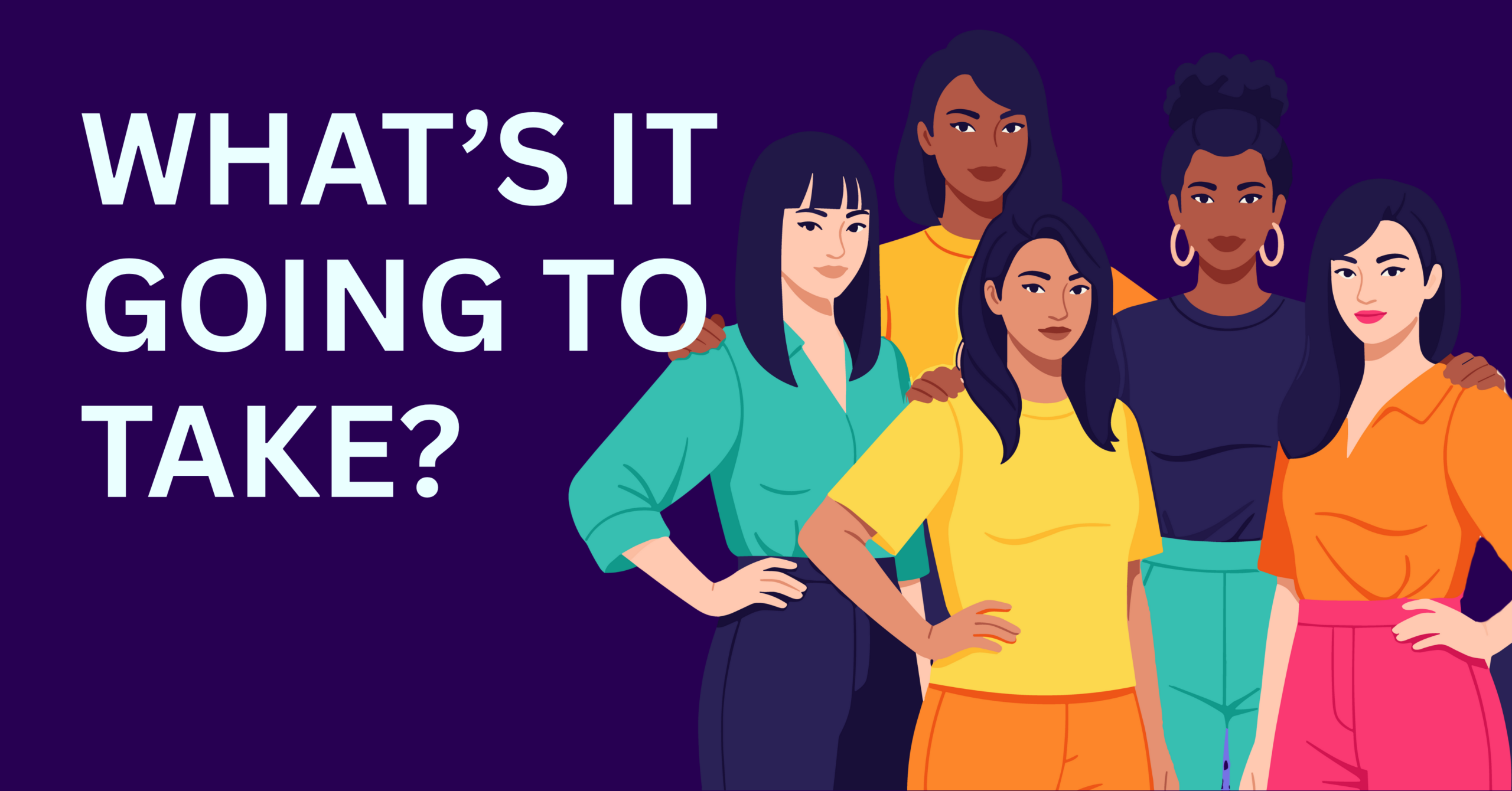
What’s it going to take?
For Clinicians: Working with survivors of sexual abuse takes an incredible and unique toll, particularly now. Like much of our work, it changes us. We need each other and community to maintain resilience and connect with hope. Seek consultation. Go to a conference with like-minded folx (I was fortunate enough to get this experience at this year’s Arizona Psychological Association Annual Convention). Participate in trusted continuing education experiences. Take a break. Get variety in your caseload. Spend time with safe and grounding loved ones.
For Those Seeking Healing: If this post was challenging for you, please be gentle with yourself. I know it is harder than ever to find a counselor, given healthcare deserts, changes with insurance, etc. Please do not give up. Psychology Today is a great resource for finding a therapist in your area, and you can search by topic, clinician gender identity, and insurance.
For all: I highly recommend Come As You Are by Emily Nagoski as a fantastic starting point for a grounded sex education. It focuses on cisgender female anatomy, though it talks about the universals of sexual arousal, pleasures, and consent. Most importantly, it adamantly disavows the idea that sex is a drive, a concept that is at the heart of rape culture. I also recommend Rage Becomes Her by Soraya Chemaly. Rage will become you, as it should.
To everyone out there finding your voice, connecting to your rage, standing up for yourself, setting limits, demanding change (including quiet self-validating, self-compassionate, and rest-based forms of change) when everything is telling you not to –
I see you. You are remarkable. KEEP GOING.
Footnotes:
- I intentionally don’t use the term victim. I have found, among survivors, the acceptability of and congruence with this term (compared to survivor) is even more varied. Therapeutically, I try to avoid both. Instead, I opt to stick to the facts of “you experienced.” In doing so, I aim for folx to find the language and labels that work best for them. This tends to evolve as treatment, understanding, seeing self-in-context, and self-compassion progress.
- Common responses I hear include: “I didn’t say no, I drank too much, I sought out his attention, I was “old enough.” Or “my family would say I asked for it, my story isn’t told anywhere so it must not be a big deal, it wasn’t like an episode of Law and Order SVU so it wasn’t that bad, others have it much worse.” You are not alone in feeling unsure, lost, confused, and more.
0 Comments